Why Your Job Is Wrecking Your Sleep
You are not bad at sleeping. You are being kept awake by a working day that never formally ended.
Dev Ramanathan · 21 July 2026 · 6 min · Original reporting
Disclosure:some links here are affiliate links. If you buy something, we may earn a commission. It never changes the price you pay, and it never buys a recommendation.
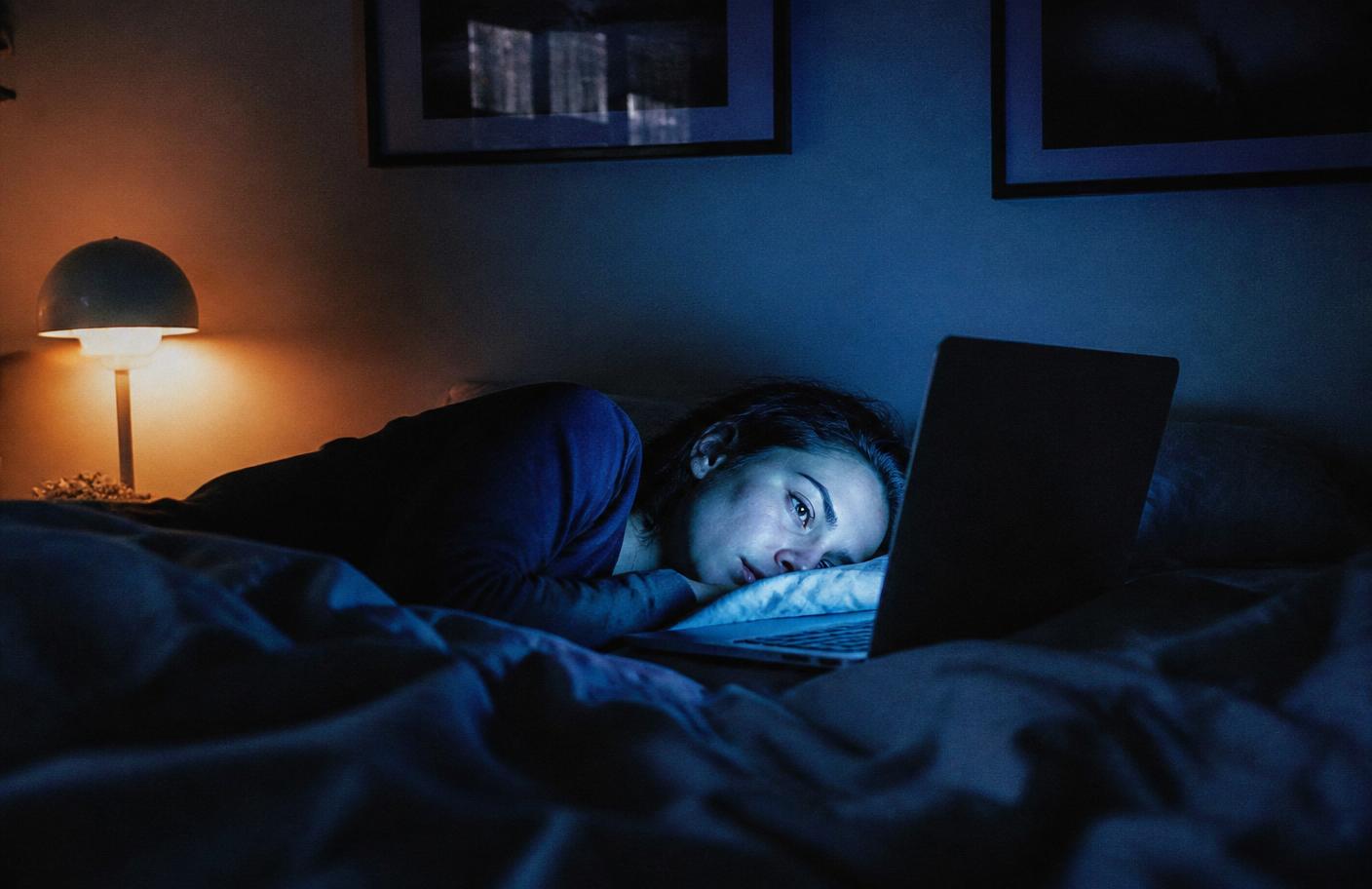
Here is the pattern. You finish work, technically. You do not finish thinking about work. You go to bed at a sensible hour, lie there running a meeting again with better lines, and then wake at 4am to a mind that has helpfully queued up tomorrow's problems in advance.
That is not insomnia in the classic sense. That is an unfinished workday using your bedroom as an overflow office.
Three mechanisms, all boring, all fixable-ish
Late cognitive arousal. Demanding mental work raises alertness, and alertness has a half-life. If your last hard thinking happens at 10pm, your nervous system is still winding down at 11.30. This is why "one quick email before bed" costs far more than the email.
Light at the wrong end of the day. Bright screens late push your body clock later. Dim mornings fail to anchor it earlier. The fix is asymmetric: get real daylight within an hour of waking, and dim aggressively after dinner. Morning light does more work than evening avoidance.
Unresolved load. Open loops are the actual insomnia engine. A brain that has not been told where a problem lives will keep offering it to you, at intervals, for free.
Write the loop down before you leave your desk. A list on paper is a promise your brain will accept. A vague intention is not.
What to actually change this week
- A hard shutdown ritual. Same time, same three steps: dump tomorrow's tasks, close the laptop, leave the room. The ritual is the signal; the content barely matters.
- No work correspondence after your shutdown. Not "urgent only" — that clause is how the whole thing collapses.
- Daylight in the first hour. Ten minutes outside beats any lamp you own.
- Keep the wake time fixed, even after a bad night. Chasing sleep by sleeping in destabilises the next night.
- Caffeine has a longer tail than you think. If you are wired at 11pm, move your last coffee to before lunch for two weeks and see.
Tracking, if you like data
A wearable will not fix your sleep, but it will end the argument about whether the late meetings are affecting it. Most people underestimate how consistently a 9pm work session shortens deep sleep — until they see three weeks of it plotted next to their calendar.
And the part nobody wants to hear
If your job structurally requires late-evening cognitive work, no wind-down routine will fully compensate. At that point the intervention is not lavender, it is a conversation about the schedule. Persistent insomnia, loud snoring with daytime sleepiness, or falling asleep at your desk are all worth a proper medical opinion rather than another app.
General information about work and health, not medical advice. See our medical disclaimer.