A Lack of Natural Light Makes Work Harder
Working indoors under artificial light for prolonged periods can disrupt natural bodily rhythms, affecting sleep quality, mood, and concentration.
Work Survival Club · 14 September 2026 · 3 min · Original reporting
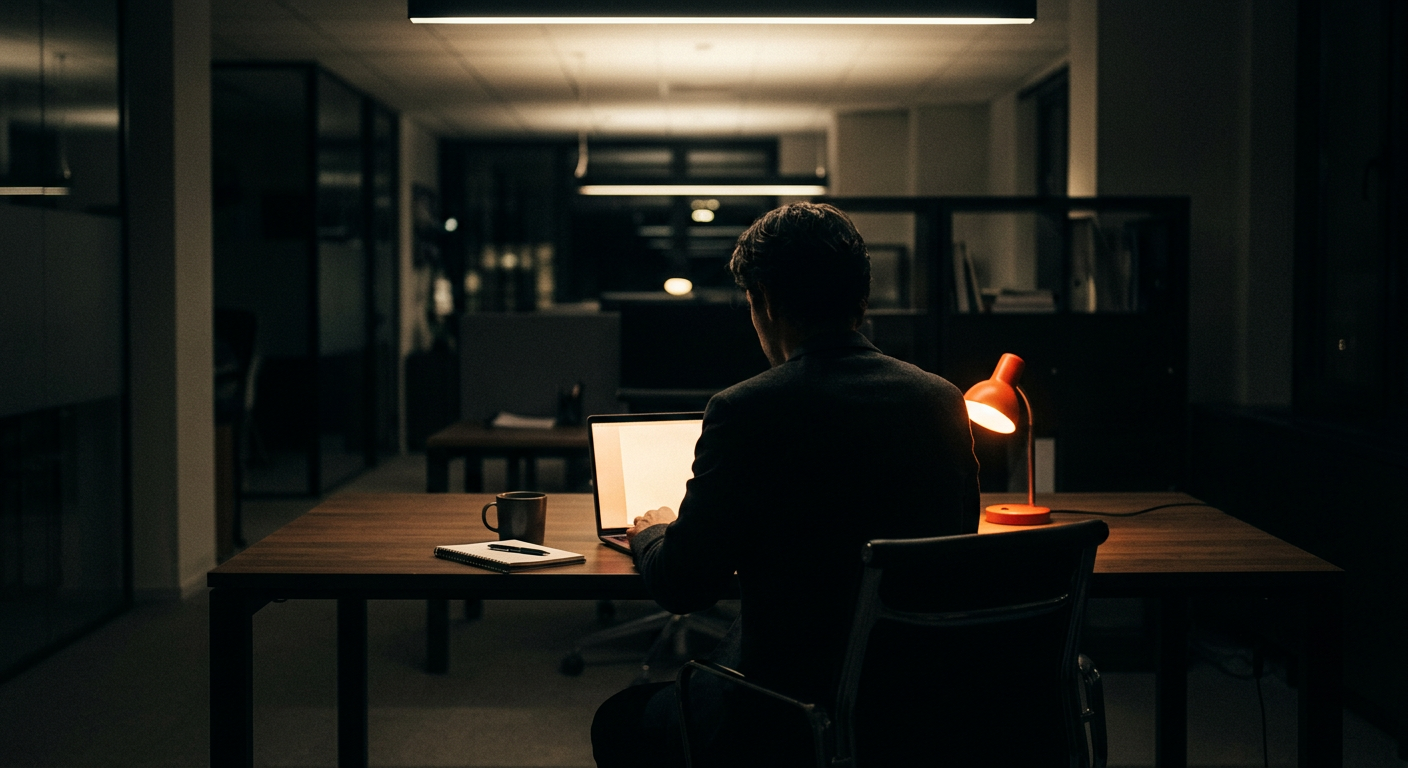
For many, the modern working day is spent predominantly indoors. From the commute into an office building to hours spent at a desk, followed by the journey home, exposure to natural light can be minimal. While artificial lighting provides illumination, it cannot fully replicate the dynamic spectrum and intensity shifts of natural daylight, which are crucial for regulating human physiology.
This consistent lack of natural light exposure can lead to a desynchronisation of the body's internal clock, known as the circadian rhythm. This rhythm governs many essential biological processes, including the sleep-wake cycle, hormone production, and even cognitive function.
The Circadian Clock and Its Signals
Our bodies are wired to respond to light. Specifically, light information, particularly in the blue spectrum, is received by specialised photoreceptors in the eye and transmitted to the suprachiasmatic nucleus (SCN) in the brain – our master circadian clock. This clock then coordinates the timing of various biological functions across a roughly 24-hour cycle. When these light signals are inconsistent or weak, the internal clock can drift.
Chronic light deprivation or exposure to inappropriate light at night can disturb sleep patterns and potentially contribute to mood disorders.
Studies indicate that individuals working in windowless environments or with limited natural light often report poorer sleep quality and increased sleep disturbances compared to those with greater daylight exposure. A 2014 study published in the Journal of Clinical Sleep Medicine found that office workers with windows slept an average of 46 minutes more per night and reported better sleep quality than their counterparts in windowless offices. They also exhibited higher vitality and lower incidence of physical symptoms.
Beyond Sleep: Other Effects of Light Deprivation
- Mood Regulation: Natural light, especially bright morning light, helps regulate serotonin levels, a neurotransmitter associated with mood. A lack of this can contribute to feelings of fatigue or low mood.
- Cognitive Performance: Adequate exposure to natural light has been linked to improved concentration and reduced eyestrain, potentially enhancing cognitive performance throughout the workday.
- Visual Health: While artificial light helps us see, the static nature of office lighting, often with insufficient brightness or improper colour temperature, can contribute to visual fatigue and discomfort. Natural light's varying intensity and spectrum provide a more dynamic visual environment that may be less taxing on the eyes.
The implications extend to overall wellbeing. The World Health Organisation (WHO) recognises the importance of light for health, noting that appropriate lighting can prevent fatigue and visual discomfort, and stating that light exposure helps regulate circadian rhythms.
Seeking More Light
While not everyone has control over their office architecture, there are practical steps to increase natural light exposure during the working day. The aim is to introduce as much dynamic light into your routine as possible, particularly in the morning.
- 1Morning Exposure: Try to spend time near a window or outdoors shortly after waking. Even 15-30 minutes of bright morning light can help reinforce your circadian rhythm.
- 2Breaks Outdoors: Take short breaks outside during the day. A brief walk, even on an overcast day, will provide significantly more natural light than most indoor environments.
- 3Optimise Your Workspace: If possible, position your desk near a window. Ensure blinds or curtains are open during the day to maximise natural light entry.
- 4Consider Light Quality: If natural light is genuinely scarce, discuss with your employer the possibility of improving artificial lighting conditions, perhaps opting for full-spectrum or circadian-friendly lighting solutions, though these are not a complete substitute for daylight.
Prioritising natural light exposure is not simply about aesthetics; it is a fundamental aspect of maintaining healthy bodily functions and can play a role in mitigating some of the physical costs associated with prolonged indoor work.
Sources
- Light and health: A scientific review (opens in a new tab) — World Health Organisation (WHO). (2019). This publication discusses the broader impact of light on human health, including circadian rhythms and visual comfort.
- The effects of light on circadian rhythms in humans (opens in a new tab) — Brainard, G. C., & Hanifin, J. P. (2005). Reviews the mechanisms by which light influences the human circadian system.
General information about work and health, not medical advice. See our medical disclaimer.