Noise-Cancelling Headphones and Your Brain at Work
Examining whether noise-cancelling headphones genuinely improve cognitive function and reduce stress in bustling work environments, or merely offer a temporary acoustic reprieve.
Work Survival Club · 17 July 2026 · 4 min · Original reporting
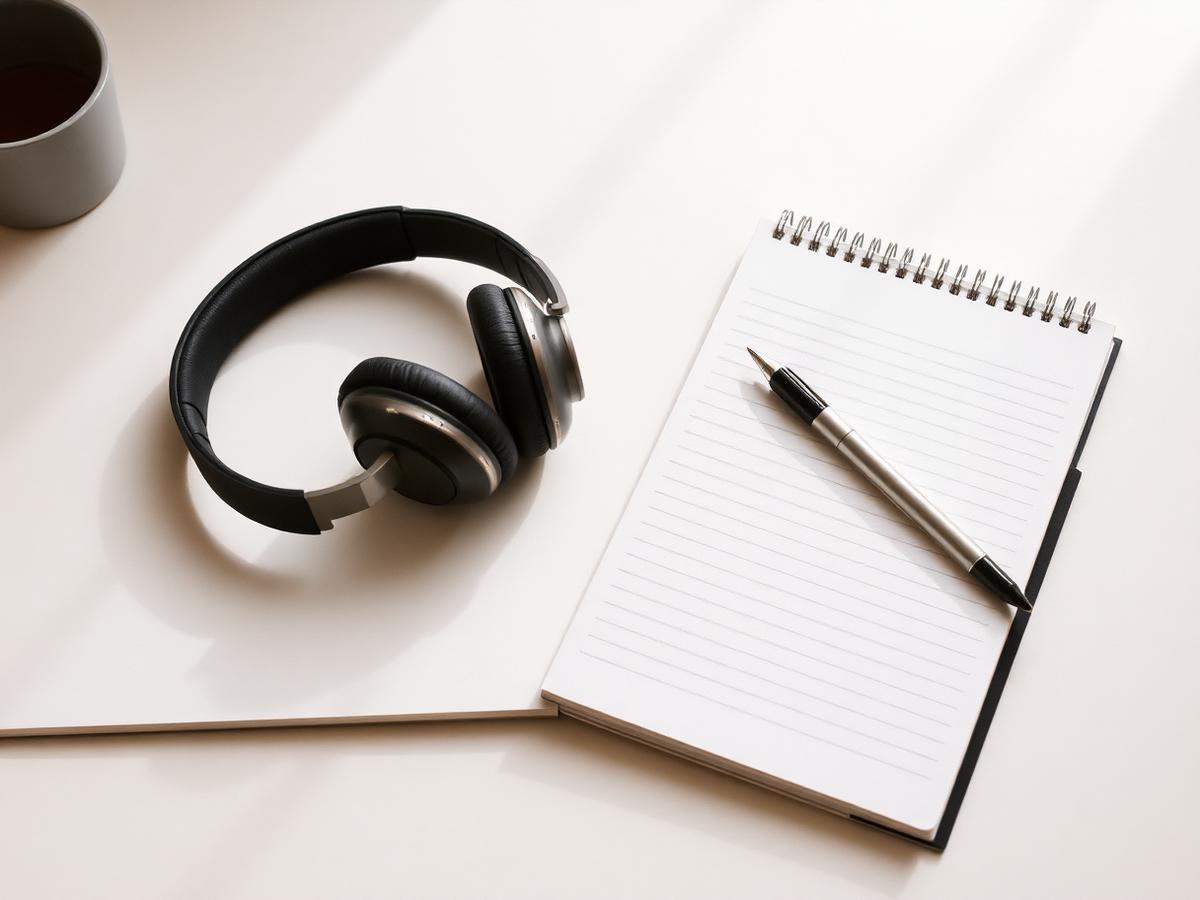
The contemporary office, whether physical or virtual, often presents a soundscape of varying intensity. From colleague chatter to keyboard clatter, the auditory environment can significantly impinge on an individual's capacity for sustained focus. It is in this context that noise-cancelling headphones have ascended from niche audio equipment to ubiquitous work tools, marketed as essential for productivity and peace of mind.
These devices employ active noise control (ANC) technology, generating sound waves that mirror and counteract incoming ambient noise, effectively muting distractions. However, the true benefit of this acoustic intervention extends beyond simple quiet. We consider the evidence for their impact on cognitive performance and mental well-being, exploring what a discerning customer should consider when investing in such a device.
The Cognitive Burden of Noise
Exposure to unwanted sound, particularly speech, requires cognitive resources to filter out. This process, often termed auditory masking, can increase cognitive load, leading to reduced task performance and heightened stress. Research indicates that even when not consciously perceived as distracting, ambient noise can impair memory, attention, and problem-solving abilities.
- Distraction and errors: Frequent auditory interruptions, especially speech that is intelligible, can lead to more errors and slower task completion.
- Increased effort: The brain expends additional energy attempting to ignore irrelevant stimuli, contributing to mental fatigue.
- Reduced recall: Unwanted background noise has been shown to negatively impact working memory and the ability to recall information.
Persistent low-level noise often goes unnoticed by individuals, yet its cumulative effect on cognitive resources can be substantial, akin to a constant, unacknowledged tax on the brain's processing power.
How Noise Cancellation Works and Its Limits
Active noise cancellation primarily targets low-frequency, continuous sounds such as engine hums or air conditioning. It is less effective against sudden, high-frequency noises or human speech, particularly if close by. This distinction is crucial for workplace applications, where the primary acoustic disruption often originates from conversations, rather than machinery.
While ANC significantly reduces sound pressure levels, it does not create absolute silence. Users often describe the sensation as a 'quiet hum' or a 'pressure' in the ears, which some individuals find equally distracting. The psychological effect of reclaiming control over one's soundscape, however, can provide a genuine sense of relief, even if the acoustic isolation is not absolute. This perceived control may contribute to the reported benefits of reduced stress and improved focus.
Making a Considered Choice
When selecting noise-cancelling headphones for work, it is important to align the technology with your specific needs. Not all ANC is created equal, and price does not always correlate directly with performance for every user.
- 1ANC efficacy: Prioritise models with strong performance in cancelling low-frequency ambient noise, as this is where the technology is most effective and provides a reliable baseline of quiet.
- 2Comfort: Extended wear necessitates a comfortable design. Look for ergonomic earcups, lightweight construction, and sufficient clamping force without excessive pressure.
- 3Battery life: For all-day use, a long battery life is essential. Consider models offering 20+ hours on a single charge with ANC active.
- 4Microphone quality: If you participate in frequent video calls, good microphone clarity is important to avoid transmitting ambient noise from your end.
- 5Transparency mode: This feature allows you to selectively hear your surroundings without removing the headphones, useful for quick conversations or safety announcements.
- 6Sound profile: While secondary to ANC for work purposes, a balanced sound profile (neither overly bass-heavy nor too harsh at higher frequencies) contributes to a more pleasant listening experience for music or white noise.
We have affiliate relationships with some of the manufacturers mentioned in our reviews. This does not influence our editorial assessments; our recommendations are based on rigorous testing and a commitment to providing genuinely useful information. Remember, while noise-cancelling headphones can be a valuable tool, they are one component in a holistic approach to managing workplace distraction and fostering a conducive environment for focused work.
A Note on White Noise vs. ANC
Some individuals combine ANC headphones with white noise or ambient soundscapes. While ANC reduces external noise, white noise adds a subtle, consistent sound to help mask remaining distractions and create a more predictable auditory environment. This combination can be particularly effective for individuals sensitive to auditory variability.
ANC headphones, when chosen carefully, can offer a significant improvement in the ability to concentrate amidst typical workplace noise. While they do not provide a perfect sanctuary, the active reduction of broadband noise and the psychological benefit of reclaimed auditory control can contribute to reduced cognitive load and, consequently, a less stressful and more productive workday. However, their efficacy is contingent on the type of noise prevalent in your environment and individual acoustic sensitivity.
Recommendation
For those seeking robust, reliable noise cancellation primarily for office environments with stable, low-frequency hums and general chatter, and who value comfort during extended wear, models like the Sony WH-1000XM5 (link to retailer if available, otherwise general product page) or Bose QuietComfort Ultra Headphones (link to retailer if available) consistently perform well in independent tests for ANC effectiveness and user comfort. These often represent a significant investment, but for daily use, their blend of acoustic performance, battery life, and build quality often justifies the cost over cheaper alternatives that may offer sub-par ANC or compromise on comfort.
For those requiring high-quality microphone performance for frequent calls, alongside effective ANC, the Jabra Evolve2 65 Flex (link to retailer if available) offers a compelling blend of features with a focus on professional communication, although its ANC may be slightly less potent than the premium consumer-focused options.
Sources
- The Effects of Noise on Cognitive Performance: An Overview (opens in a new tab) — Review of literature on noise and cognition.
- Ambient Noise and Cognitive Performance: The Role of Noise Sensitivity (opens in a new tab) — Investigates individual differences in noise impact.
General information about work and health, not medical advice. See our medical disclaimer.